Field NotesOhio
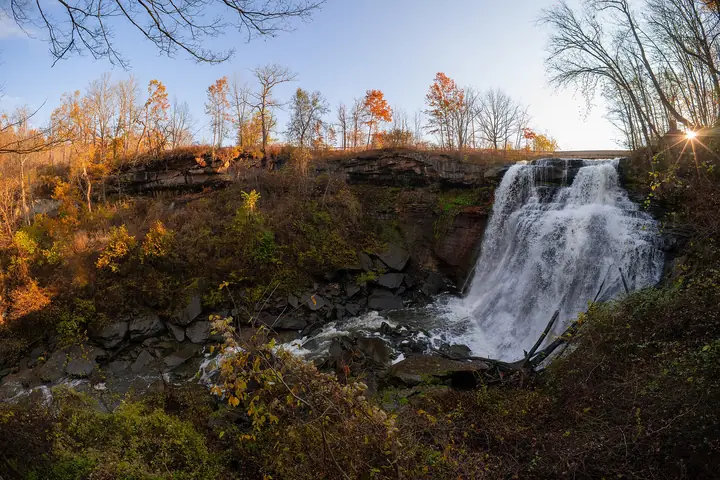
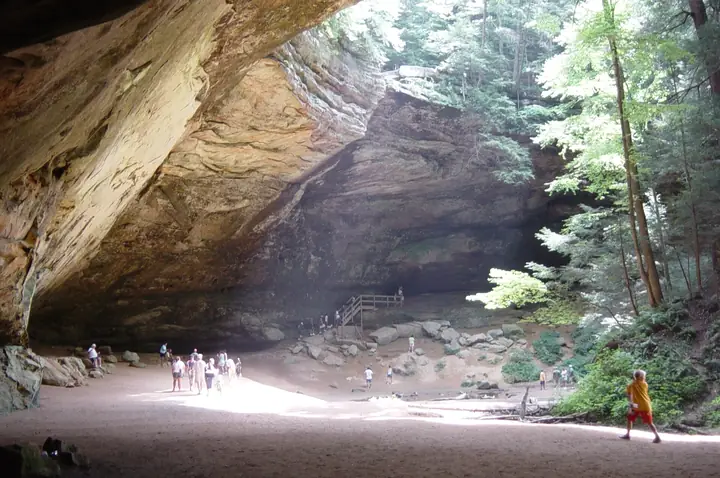
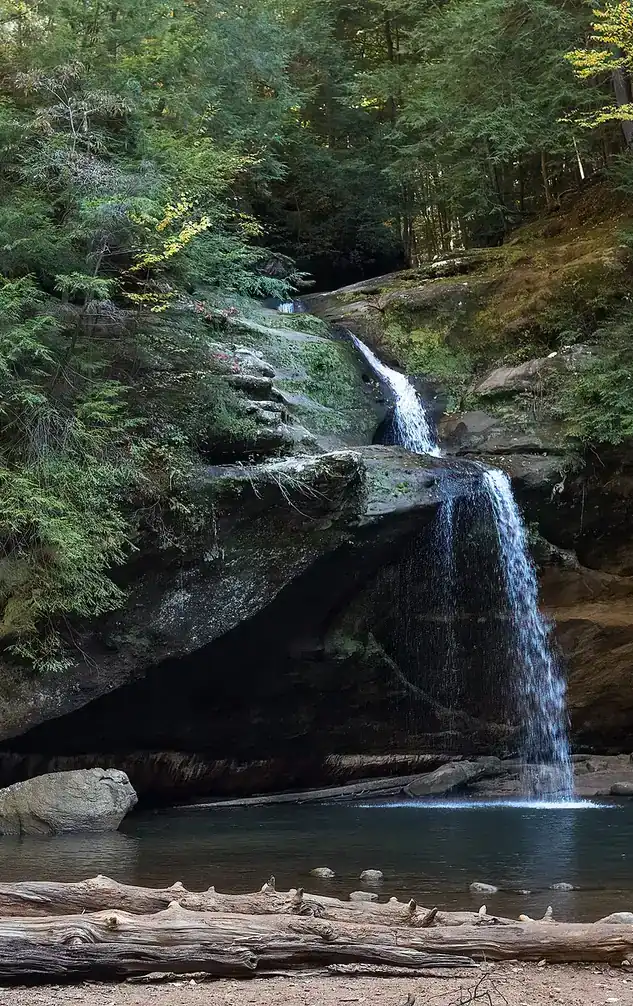
Upper Falls in the Old Man's Cave gorge, Hocking Hills, with visitors on the rocks

An independent field guide · 365 places

The field guide to outdoor Ohio

Parks and forests, ancient mounds, caves, waterfalls and back roads, with the story behind each place and where to eat and fuel up nearby.
Popular:
  • 117parks & forests
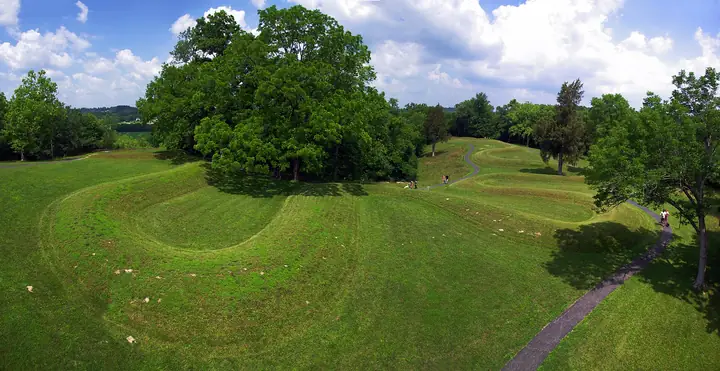
  • 64ancient mounds
  • 34waterfalls
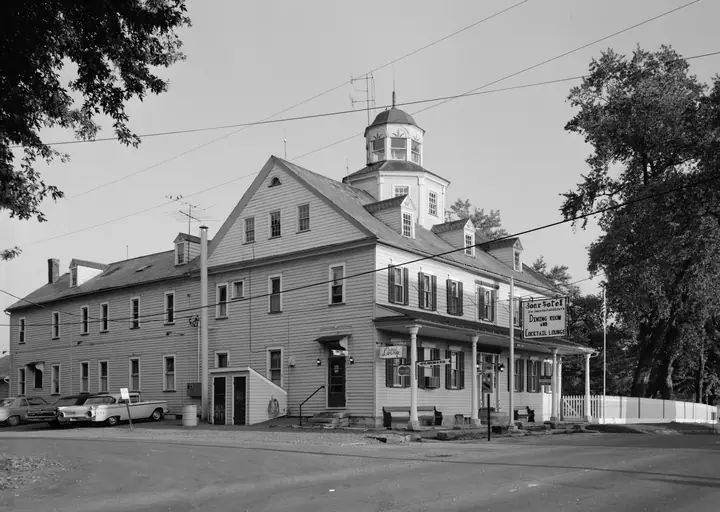
  • 40historic sites
  • 33road trips

Old Man's Cave, Hocking Hills · Photo: Rhododendrites, CC BY-SA 4.0

Explore by type

What are you in the mood for?
See every place →

Plan a trip

Explore Ohio

One map for every park, mound, historic site, beach, cave, waterfall and oddity in the app.

Lake ErieWest Virginia36 places368 places813 places135 places523 places2321 places2124 places2416 places1613 places134 places418 places182 places217 places1710 places1014 places142 places27 places76 places613 places133 places34 places414 places143 places3Harrison Lake State Park2 places22 places22 places26 places64 places4

Tap a symbol for a preview, or search for a place. Open the key to show or hide categories.

Parks, forests & wildlife areas

Find a park

117 parks in 7 regions

Hale Farm & Village

Bath · Summit County · Northeast Ohio
A living-history farm in the Cuyahoga Valley
Living history museumInside Cuyahoga Valley National Park

A living-history museum in the Cuyahoga Valley that shows farm and village life in the Western Reserve from 1810 to the 1860s.

Homestead
Jonathan Hale, a Connecticut farmer, bought 500 acres of the Western Reserve in 1810
House
The Hale House was built in 1825
Bequest
In 1956 his great-granddaughter Clara Belle Ritchie left the farm to the Western Reserve Historical Society, which opened it in 1958
Village
About 32 historic structures, most moved here, including eight built by the Hale family
Crafts
Glassblowing, pottery, blacksmithing, spinning, weaving and candlemaking
Listed
National Register of Historic Places since 1973 as the Jonathan Hale Homestead

The story

The Cuyahoga Valley had been home to diverse peoples for thousands of years when the Connecticut Land Company sold the Western Reserve, the land along Lake Erie that Connecticut kept when it ceded its western claims. In 1807 surveyors laid out the township that became Bath, and in 1810 Jonathan Hale, a farmer from Glastonbury, Connecticut, bought 500 acres from a company shareholder and cleared a homestead. Three generations of Hales worked the land, and in 1825 they built the brick Hale House, in the family tradition of making their own bricks.

In 1956 Hale's great-granddaughter Clara Belle Ritchie left the farm to the Western Reserve Historical Society, to be made a museum so that the greatest number of people might learn about the Western Reserve. It opened in 1958, and a village of historic buildings moved from elsewhere in the region grew around it. Costumed educators demonstrate crafts, work oxen and sheep and present 1860s Civil War history, and the museum says it works to amplify the stories of the many peoples who lived on the site, with programs such as an African American Heritage and Cultural Celebration.

Visiting information you can trust

Check before driving — this site is seasonal, approximate, privately run, or otherwise uncertain. Confirm hours and access with the official source above.
Content last reviewed
September 2026 — this is when Field Notes Ohio's content was last checked, not a live status.
Primary official source
Official page
Location confidence
Verified entrance or visitor center
Hale Farm & Village, 2686 Oak Hill Rd
Seasonal access
For 2026: May 30 through September 6, Wednesday to Sunday, 10 a.m. to 4 p.m.; September 7 through October 31, Saturday and Sunday, 10 a.m. to 4 p.m. Open for signature events at other times.
Check current conditions
Official conditions or closures
Reservations or tickets
Tickets or admission info

Prices, hours, closures, campsite availability and trail conditions shown elsewhere on this page are not live — always confirm with the official source before you go.

A Farm Left to Be a Museum

Clara Belle Ritchie was the last of the Hales to live on the family farm, and when she died in 1956 she left it with an instruction: it was to become a museum so that the greatest number of people might learn about the history and culture of the Western Reserve.

A village of moved buildings grew up next to the old brick house, and the farm became one of the best-known places in the valley to watch glass being blown.

Behind the legend

The 1810 purchase, the 1825 house, the 1956 bequest and the 1958 opening are on the Western Reserve Historical Society's own pages and Wikipedia. The count of historic structures is given as 32 or 34 in different pages, and admission prices differ between the society's page and older guides.

If you go

Watch a glassblowing demonstration, walk the village, and combine it with a drive on the Heritage Corridors of Bath byway or a hike in Cuyahoga Valley National Park.

Visiting

Status
Open seasonally
Managed by
Western Reserve Historical Society
Hours
For 2026: May 30 through September 6, Wednesday to Sunday, 10 a.m. to 4 p.m.; September 7 through October 31, Saturday and Sunday, 10 a.m. to 4 p.m. Open for signature events at other times.
Admission
Adults (13 and up) $15, youth 3 to 12 $8; members, active military and children 2 and under free.
Please note
Hours change with the season; check the events calendar.
Address
2686 Oak Hill Rd, Bath, OH 44210
Official information →DirectionsFind trails nearby on AllTrails →

Hours and prices change. Confirm with the site before you go.

Parks nearby

Cuyahoga Valley National Park
About 0 miles · Hale Farm is inside the national park.
Open
Brecksville Reservation
About 10 miles · Cleveland Metroparks with a backcountry camp.
Open

Buckeye Trail

Akron Section
57 miles · on or near the Buckeye Trail
Open

Details last checked 2026-09-22. Confirm hours and prices before you go.

Know a place that belongs here, or spotted something out of date? Email hello@fieldnotesohio.com.